
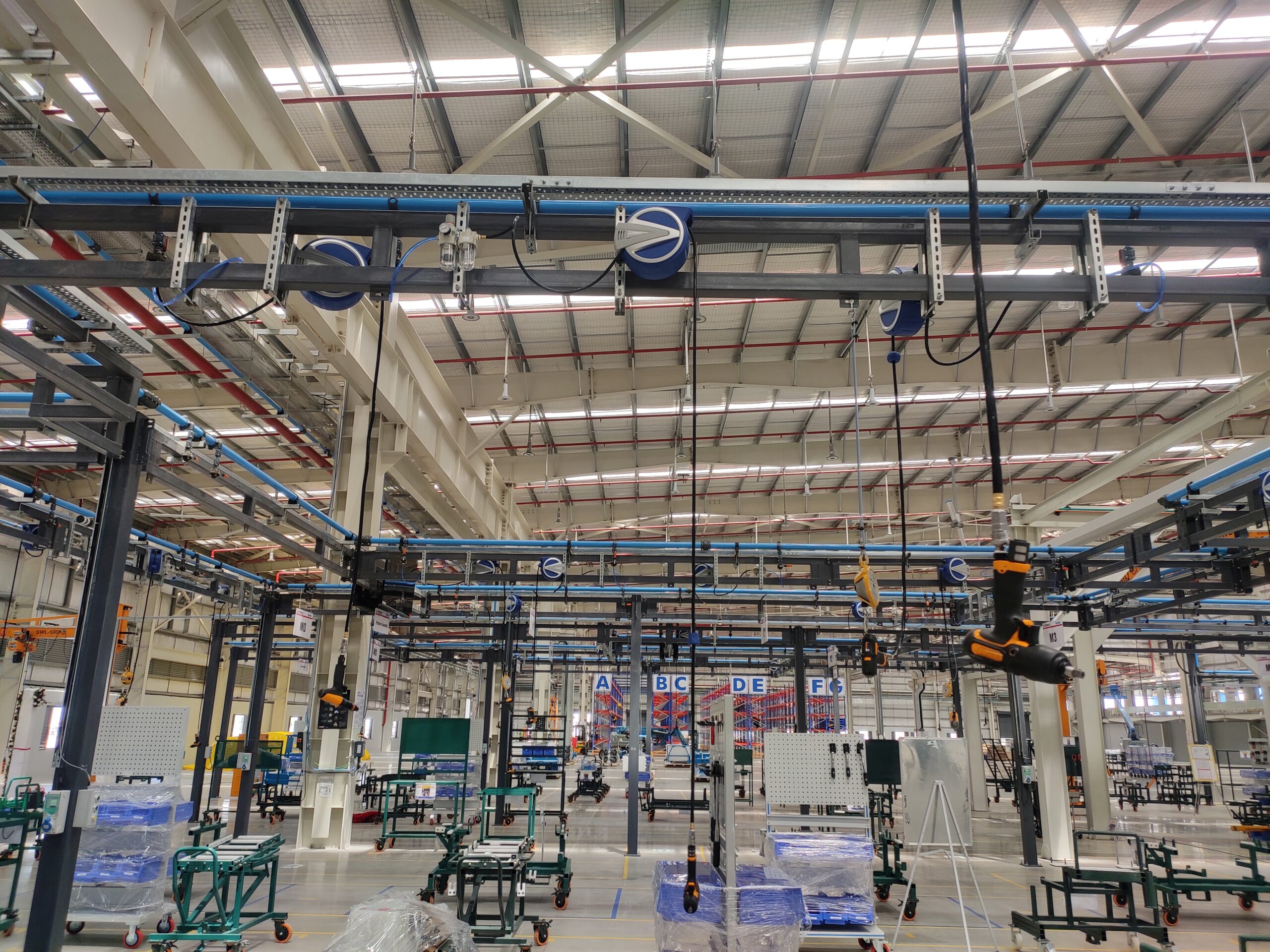
In most factories, compressed air is treated as a utility, expected to be available on demand. Factories often neglect piping networks until problems arise, despite maintaining compressors and major components. For instance, even with normal compressor operation and inconsistent supply at distant machines, one might increase pressure or investigate leaks, yet minor interruptions persist. The problem is usually with the distribution line, not the compressor.
Aluminium compressed air pipe systems offer multiple important benefits for industrial users. Compared with traditional GI, MS, or black-iron piping, aluminium provides a cleaner and more flexible air distribution network. Its main advantages include resistance to internal rust, easier installation, future expansion capability, lower maintenance requirements, and healthier air delivery.
When comparing aluminium compressed air pipes in India, consider cost per metre, installation time, corrosion risk, leakage, future expansion, air cleanliness, and long-term maintenance.
Why Aluminium Is Used in Compressed Air Piping
Moisture is common in compressed air piping. Even with dryers, poor maintenance or high humidity introduces water that, within iron-based pipes, causes rust. Rust forms particles that can clog filters or damage valves and tools. Old pipes with rough surfaces disrupt airflow. Aluminium piping prevents rust, maintains smooth internal surfaces, and reduces the risk of contamination.
Aluminium air piping uses modular fittings—elbows, tees, reducers, couplers, valves, brackets, and drop points—that support complex networks rather than simple straight runs.
Such flexibility helps factories adapt when machines are added, workstations move, or production expands. Modular aluminium piping makes changes easier than fixed welded or threaded lines.
Aluminium Pipe vs GI and Steel Pipe
GI and steel pipes are traditional for compressed air. They’re durable but heavy, making installation laborious—especially for overhead runs. Cutting, threading, and welding are time-consuming. In contrast, aluminium pipes are lighter, easier to install on longer runs, and use standardised fittings for a neater, faster setup.
The advantages of aluminium piping also include easier post-installation changes. Adding an air drop for new equipment is typically simpler with aluminium, requiring only compatible fittings, whereas GI or steel often requires more complex cutting and welding. Such flexibility saves time and secures a system that easily accommodates changing production needs, adding to aluminium’s key benefits: convenience, adaptability, and lasting reliability.
Performance Benefits for Industrial Air Distribution
Compressed air pipes must supply sufficient air with minimal leakage. Long pipes, sharp bends, small lines, leaks, or rough interiors all reduce delivery. Aluminium piping, when sized correctly, maintains smoother airflow and reduces rust particles, securing steady air for pneumatic tools. Poor piping can cause minor pressure drops, reducing equipment efficiency and productivity.
Aluminium pipe alone does not resolve all system issues. Proper pipe sizing, compressor capacity, dryer, filtration, drainage, and leak control are necessary. The right material only supports a sound layout.
Get the best performance by pairing aluminium piping with a well-designed network. Plan headers, branches, and drops based on air demand and equipment placement.
Installation Advantages of Modular Aluminium Piping
Ease of installation is a key advantage of modular aluminium piping. New factories benefit from cleaner lines, while existing plants can upgrade easily. Aluminium’s light weight streamlines overhead work, and modular fittings allow efficient planning for branch and drop points. Network extensions are simple and support frequent layout changes.
Systems use aluminium tubes, connectors, bends, tees, reducers, valves, brackets, clamps, and accessories. Selections depend on pressure, size, layout, and air points. Install with proper supports, minimal bends, and accessible drops to simplify future maintenance.
Maintenance Savings Across Time
Maintenance often reveals the essential benefits of aluminium piping over traditional materials. Old GI or steel lines may look strong but can conceal rust, scaling, leaks, and difficult modifications. Aluminium compressed air pipes solve these problems by eliminating rust, minimising contamination, requiring fewer repairs, and speeding up changes due to their modular design. These advantages mean lower downtime and easier maintenance.
No system is maintenance-free. Testing for leaks, managing condensate, replacing filters, and monitoring pressure are important. Aluminium minimises corrosion-related maintenance and simplifies future upgrades.
Best Applications for Aluminium Compressed Air Pipe
Aluminium compressed air piping offers several clear advantages for a wide range of industrial and commercial applications. Its suitability includes manufacturing plants, machine shops, automotive workshops, packaging units, textile facilities, electronic assemblies, food processing support, and general factory utilities. Main benefits include flexibility in layout changes, reduced contamination from rust-resistant materials, and reliable clean-air delivery for sensitive equipment such as tools, valves, and machines that require air quality.
Buyers in India compare modular aluminium piping with traditional materials to see if it fits their needs. Aluminium is the top choice where clean installation, corrosion resistance, straightforward expansion, and low maintenance matter most.
Buyer Checklist Before Asking for an Aluminium Pipe Quotation
Before requesting a quote, note the site and system details. List compressor capacity, working pressure, and the distance to usage points. Count air-using machines or workspaces and consider future needs. Review the layout for long routes, bends, or poor drop placement that could cause pressure loss. Plan pipe supports, especially for overhead lines. Check whether pipes will be exposed to moisture, oil, dust, or heat, and decide on additional filtration if needed.
A full quote should list pipe sizes, tube types, fittings, valves, connectors, clamps, supports, drop points, and needed accessories. Choose blue and grey aluminium alloy tubes to suit the application and layout.
Conclusion
An aluminium compressed air pipe is an excellent choice for factories seeking a cleaner, lighter, and more flexible distribution system. Unlike traditional GI, MS, or black iron piping, it offers superior corrosion resistance, easier installation, future expansion, and simplified maintenance. In older plants, aluminium piping can replace rust-prone, hard-to-modify lines. For new plants, it enables a well-organised air network from the outset. Final performance depends on proper planning. Carefully select pipe size, layout, air demand, pressure requirements, and accessories. With a well-designed system, aluminium piping provides reliable air distribution throughout the facility.
Browse our range of aluminium alloy blue and grey tubes and compatible accessories. To design the right system for your facility, contact our team for a quotation made for your plant layout and compressed air needs.
Related Help section
What is the life span of an aluminium compressed air pipe?
The life of an aluminium compressed air pipe depends on its quality, installation method, working pressure, site conditions, and maintenance. Aluminium is commonly selected because it resists corrosion better than many traditional iron-based airlines.
Is aluminium piping better at compressing air than GI pipes?
Aluminium pipe is commonly preferred where the buyer wants corrosion resistance, a lighter installation, and easier future modification. GI pipe may still be used in some projects, but it can require more maintenance over time, especially if moisture causes internal rusting.
Is aluminium-compressed-air piping suitable for industrial use?
Yes, aluminium compressed air piping is suitable for many industrial applications when the system is correctly designed and installed. It is used in manufacturing plants, workshops, packaging units, automotive service areas, machine shops, and general factory air systems.
Can aluminium compression air tubes be extended later?
Yes. One of the main advantages of modular aluminium piping is that it can usually be extended or modified more easily than welded or threaded pipework. This is useful when new machines, tools, or production lines are added.
What should be included in an aluminium piping quote?
A good quotation should include pipe size, pipe length, fittings, connectors, valves, clamps, supports, drop points, and required pipe accessories. It should also consider compressor capacity, working pressure, air demand, layout, and future expansion needs.